
BRING YOUR VISION INTO ACTION
Discover the thrilling conclusion to the 2026 FIDE Chess Olympiad in Samarkand! Explore Uzbekistan’s Open victory, China’s phenomenal new generation in the Women’s section, and Team India’s spectacular double medal triumph. Expert analysis brought to you by Chess Visionaries.

The clocks have stopped, the final pieces have been captured, and the 46th Chess Olympiad in Samarkand has officially carved its name into the history books. This year’s tournament was a breathtaking display of tactical brilliance, generational shifts, and edge-of-your-seat tiebreaks.
For the students and chess enthusiasts following along at Chess Visionaries, this Olympiad served as the ultimate masterclass in high-stakes competitive play. From stunning endgame conversions to resilient defensive structures, here is the complete breakdown of how the world’s best battled for global supremacy.
♟️ A Historic Opening to the Final Round
The dramatic final round kicked off with a momentous ceremonial gesture. Newly elected eighth FIDE President Timur Turlov stepped to the top board to play 1.e4 for Uzbekistan’s young superstar Nodirbek Abdusattorov. Following a warm congratulatory address to the competitors, Turlov shared a deeply respectful handshake with Ukrainian chess legend Vasyl Ivanchuk on board two, setting the stage for a legendary showdown.
🌍 The Open Section: Uzbekistan Reigns Supreme on Home Soil
The host nation delivered a cinematic finish. Uzbekistan clinched the Open section Gold, claiming their second Olympiad title (following Chennai 2022) with a gritty 2.5–1.5 victory over Ukraine in the deciding round.
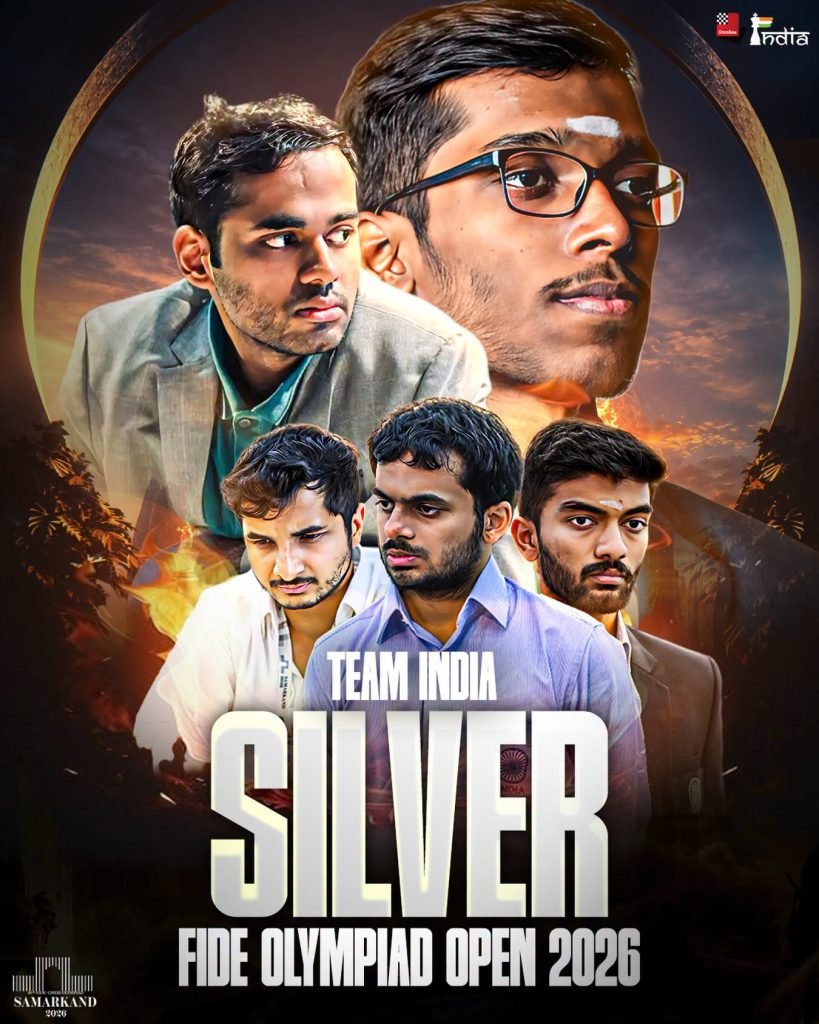
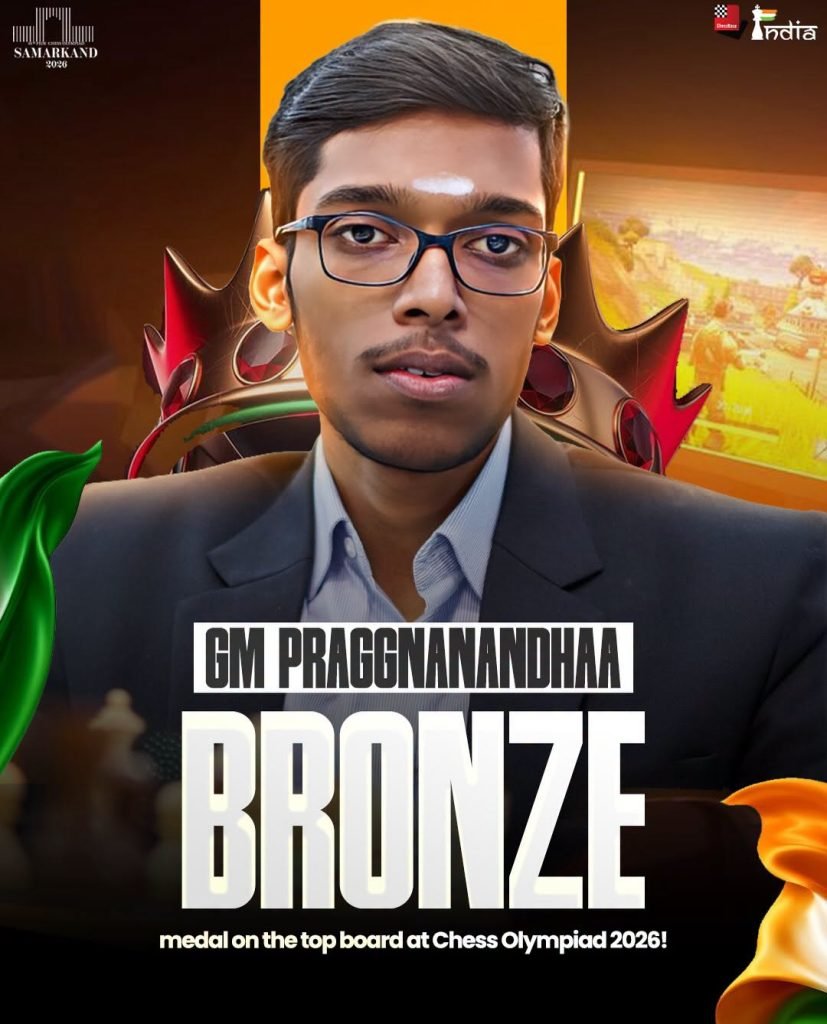
Team India proved their elite standing by capturing the Silver medal. Their final round featured a tense 2–2 draw against Hungary. The highlight of the match was Arjun Erigaisi, who dismantled Peter Leko with the Black pieces on board two. Meanwhile, in a shocking twist, Gleb Dudin pulled off the performance of his life to defeat World Champion D Gukesh on board four. This victory earned Dudin the individual Gold on the first reserve board, while Gukesh proudly secured the individual Silver for board four.
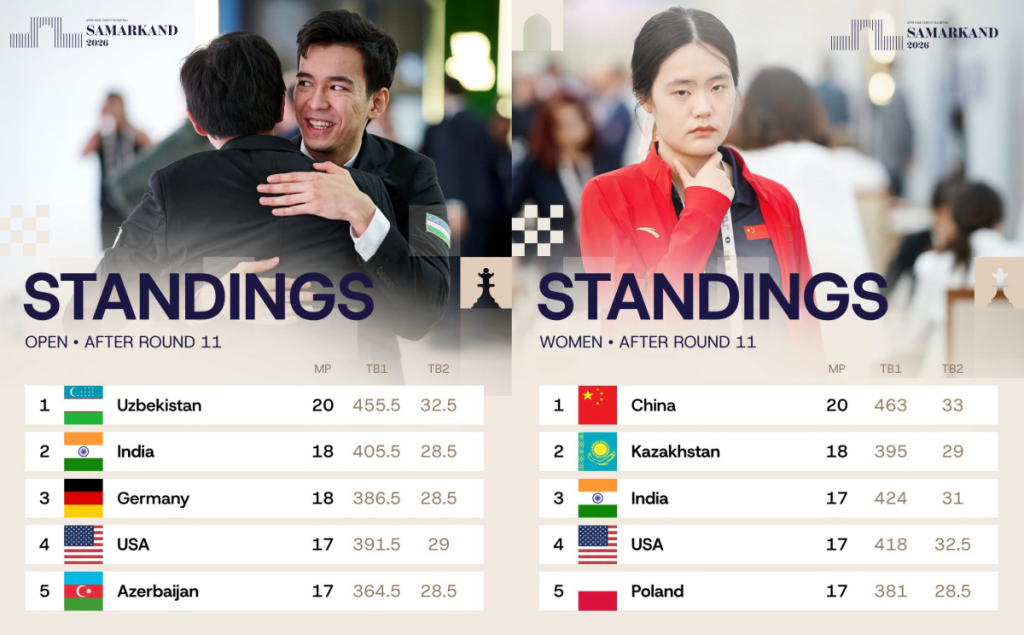
Germany locked down the Bronze medal by dispatching the Netherlands 2.5–1.5, heavily fueled by Matthias Bluebaum’s decisive victory over Jorden van Foreest. Germany’s Frederik Svane also walked away with the individual Gold on board three, boasting an astronomical 2796 performance rating.
Notable Open Finishes: The United States, Azerbaijan, Armenia, and Hungary fiercely contested the standings, ultimately sharing fourth to seventh place. Early leaders China slipped to eighth place overall, though their dynamic tactician Wei Yi successfully captured the individual Gold medal on board two.


👑 The Women’s Section: China’s Youth Movement and India’s Tiebreak Thriller
If the Open section was about defending home turf, the Women’s section was a striking announcement of the future.
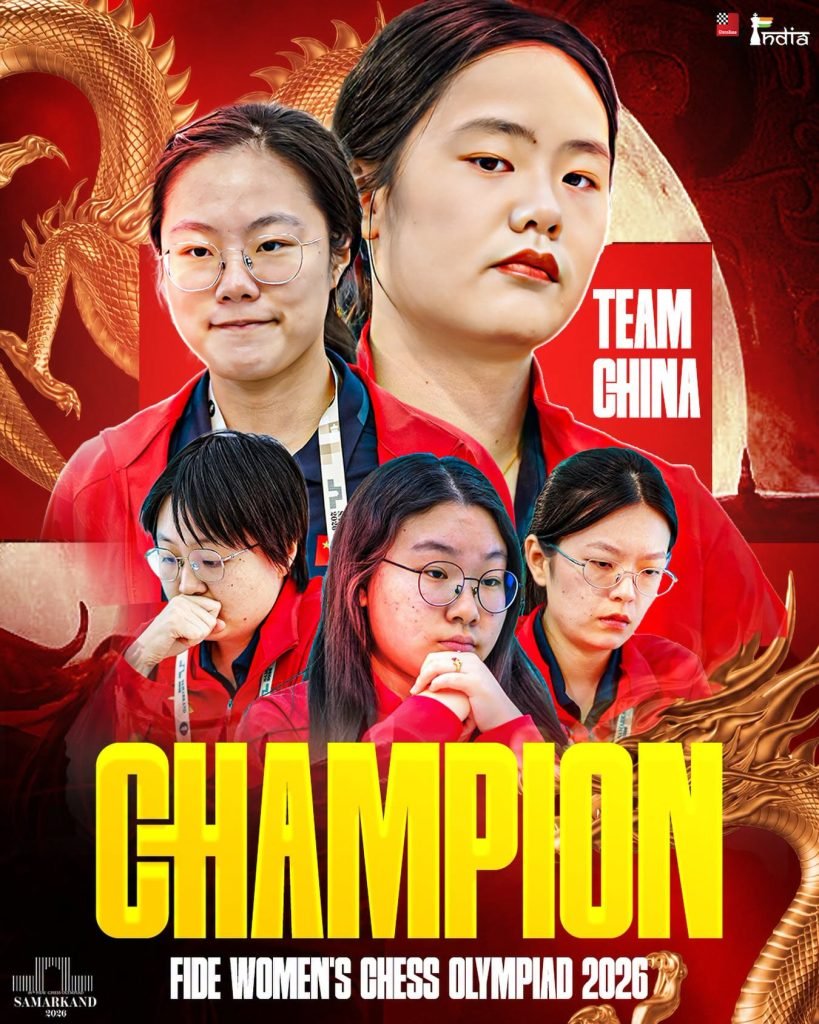
China seized the Women’s Gold medal with a dominant 3–1 victory over Vietnam. What makes this triumph truly terrifying for the rest of the world is that China achieved it without their highest-rated icons—Hou Yifan, Ju Wenjun, Lei Tingjie, and Tan Zhongyi. Instead, their new generation stole the spotlight. Zhu Jiner crushed Le Thao Nguyen Pham on board one to secure individual Gold with a flawless 7/9 unbeaten record. Even more staggering was 16-year-old Lu Miaoyi, who delivered a 9.5/11 masterclass, defeating Phuong Hanh Luong to claim individual Gold on board three.
Kazakhstan fought brilliantly throughout the event and secured the Silver medal after a 2–2 draw with Poland. While Aleksandra Maltsevskaya secured a crucial point on board two, it was Elnaz Kaliakhmet who leveled the match for Kazakhstan, earning herself the individual Gold on board four in the process.
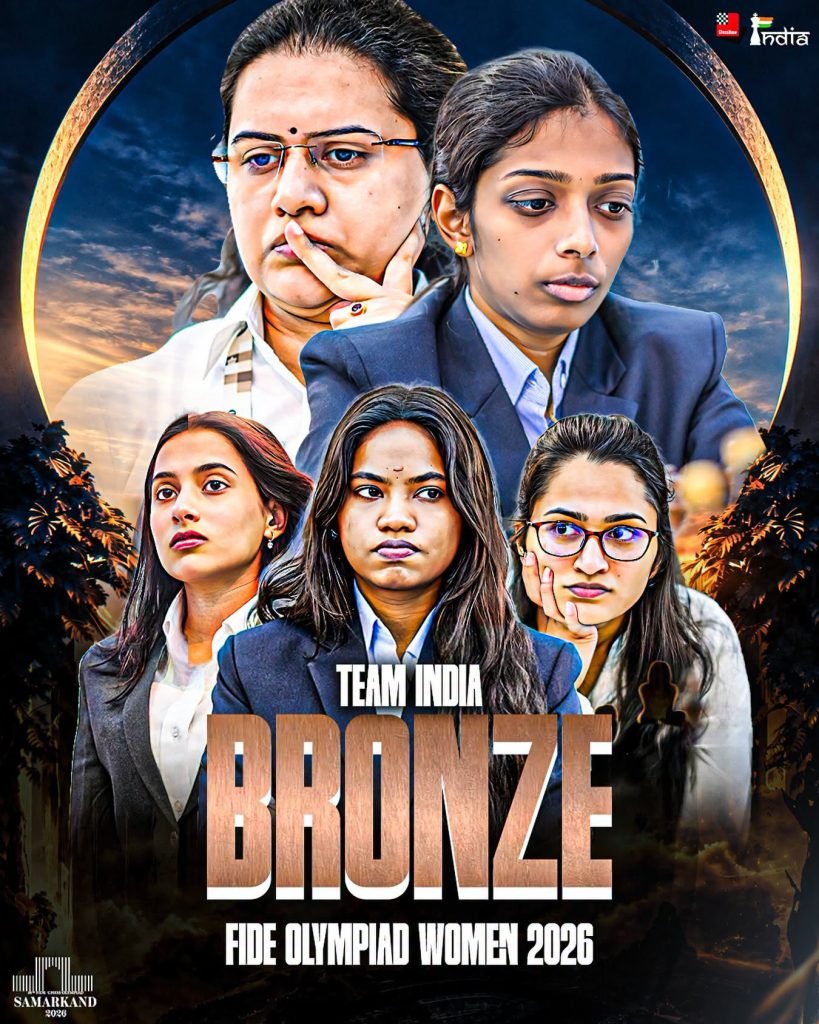
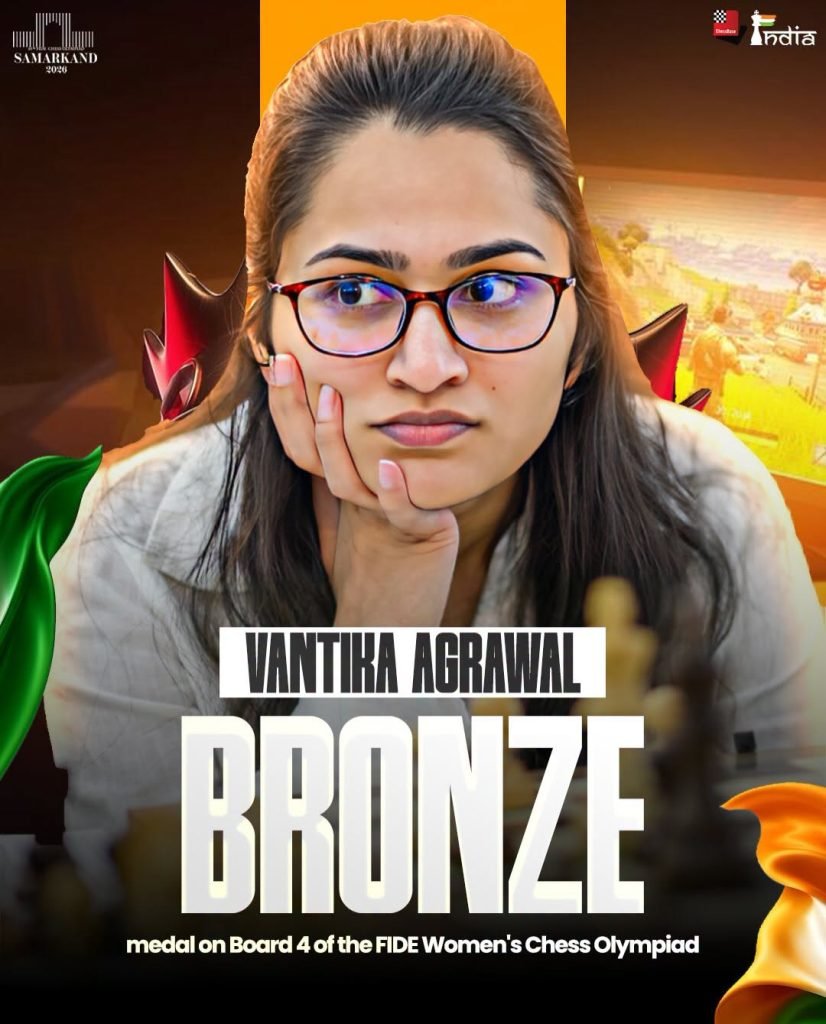
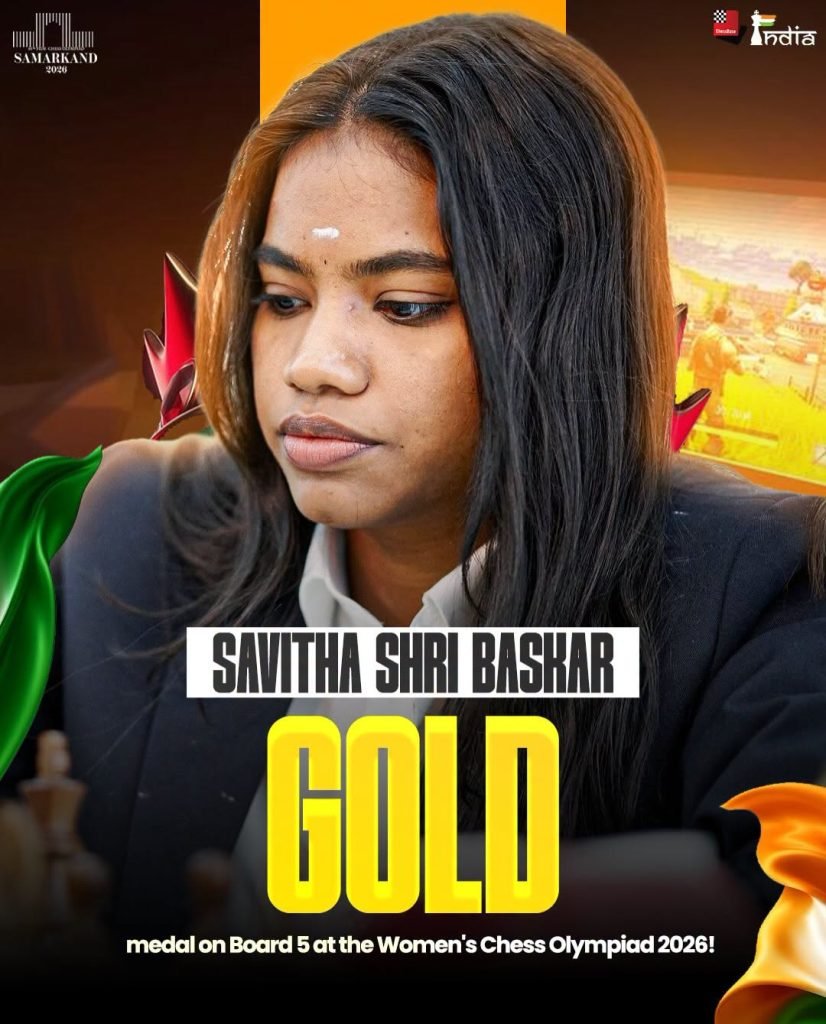
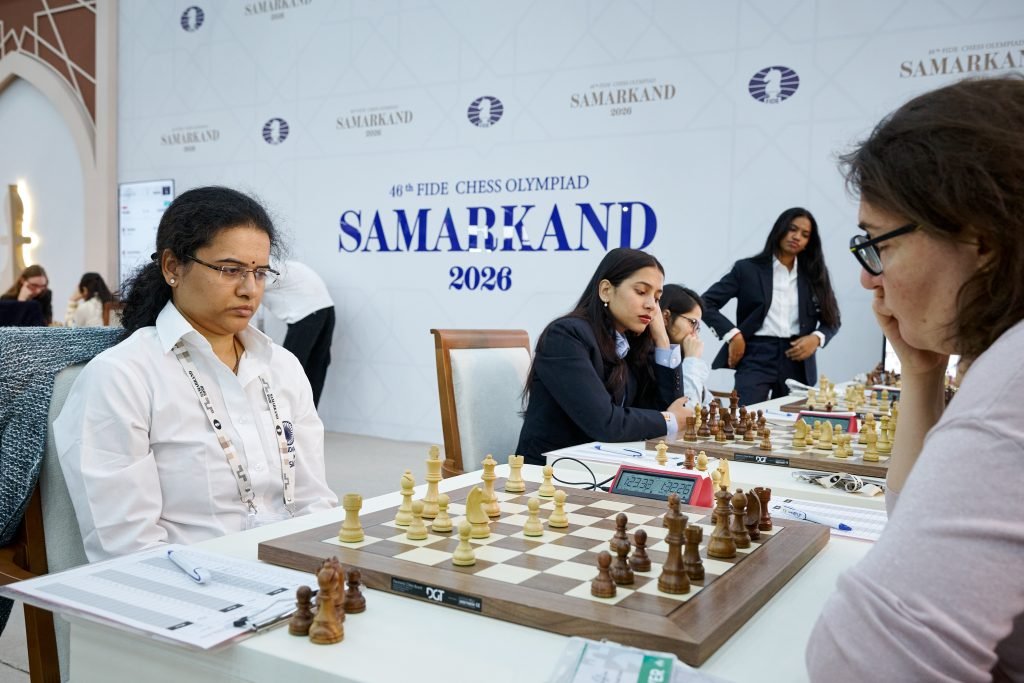
Team India completed the podium by securing the Bronze medal on a nail-biting tiebreak after a 2–2 draw with Georgia. The Indian squad finished with the same match-point total as the US, Poland, Armenia, and Mongolia, but superior tiebreaks pushed them through. Koneru Humpy provided the defining moment of the match, executing a stunning tactical finish against Nana Dzagnidze. Meanwhile, India’s rising star Savitha Shri Baskar secured the individual Gold on board five, and the USA’s Alice Lee took individual Gold on board two with a stellar 2572 performance rating.
At Chess Visionaries, we are already dissecting these historic matches to integrate these modern grandmaster strategies into our training programs. Whether it is Arjun Erigaisi’s aggressive precision with Black or Koneru Humpy’s tactical vision under extreme pressure, the blueprint for mastery is right here on the board.